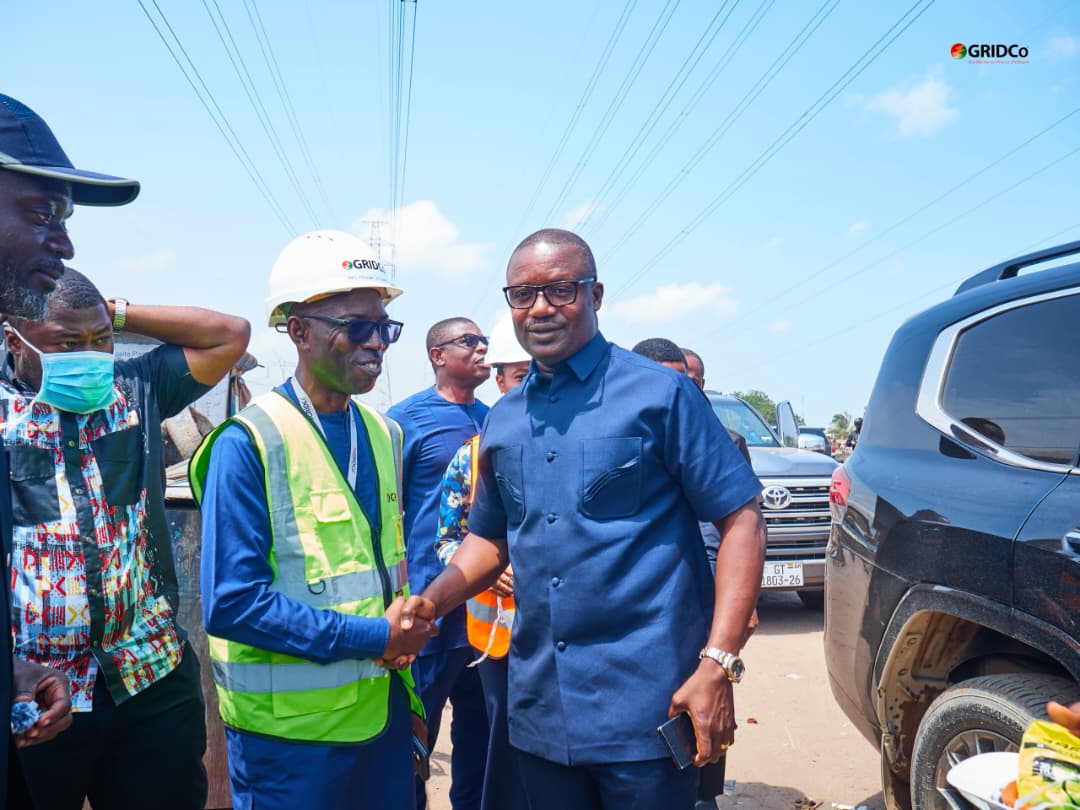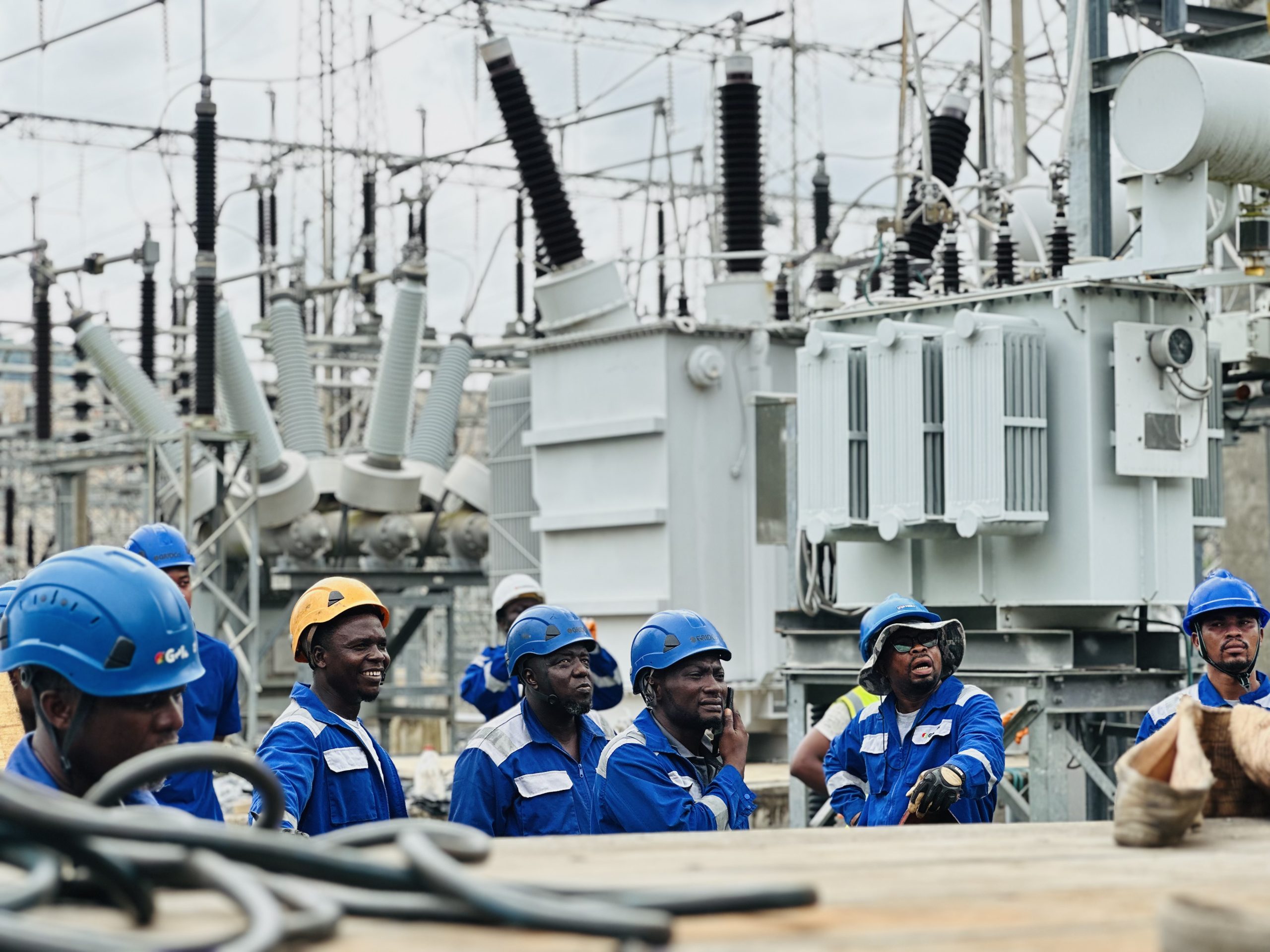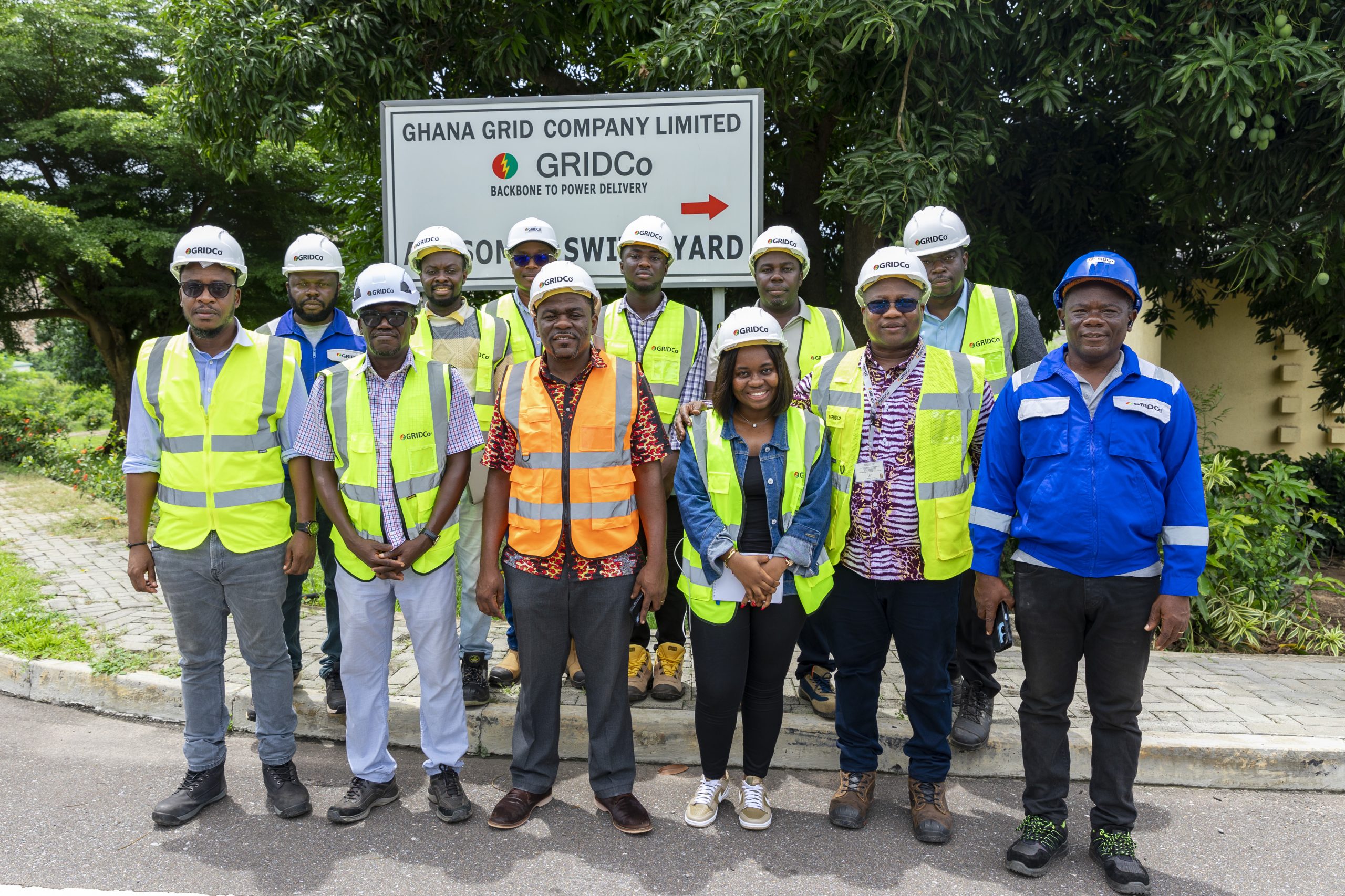
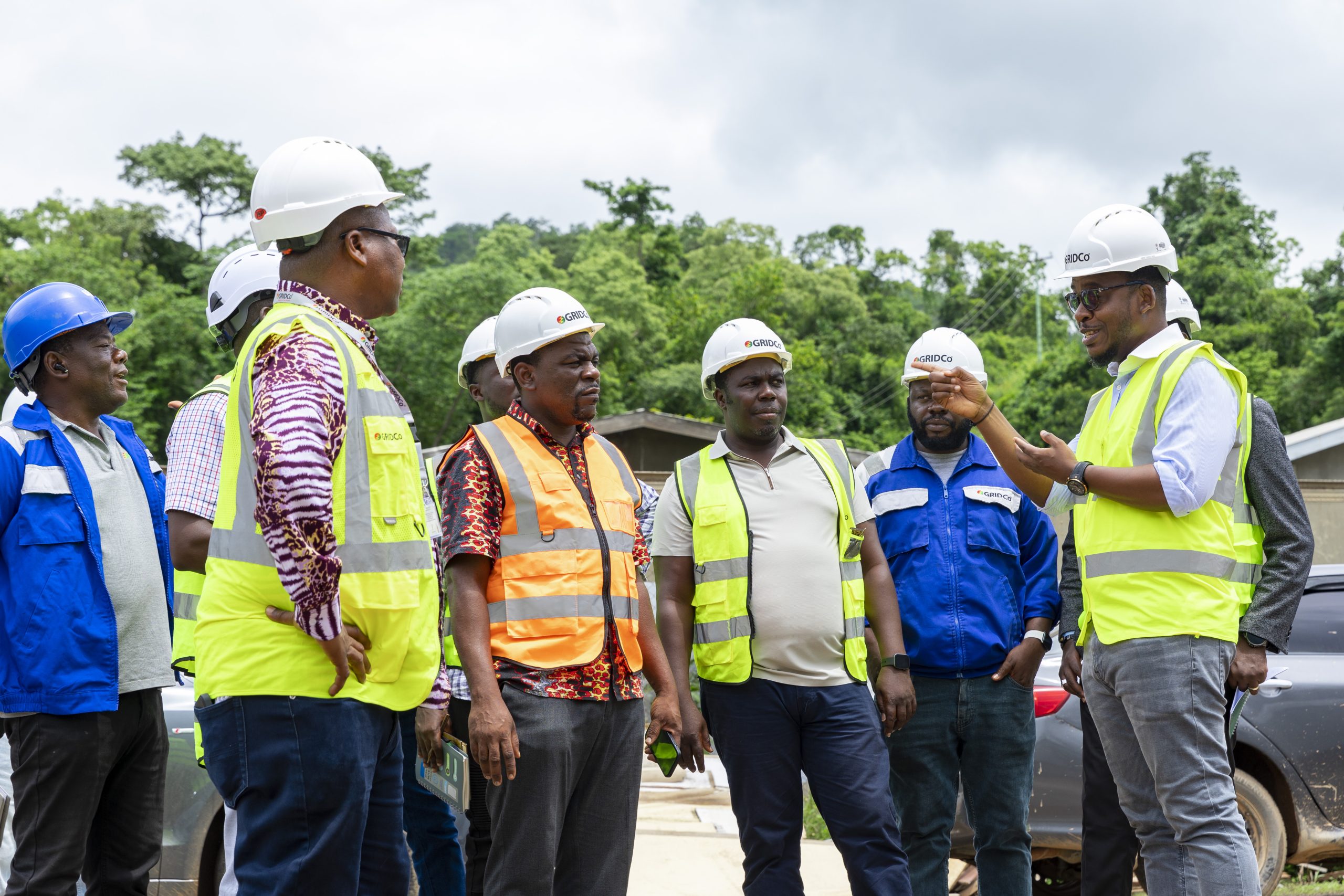
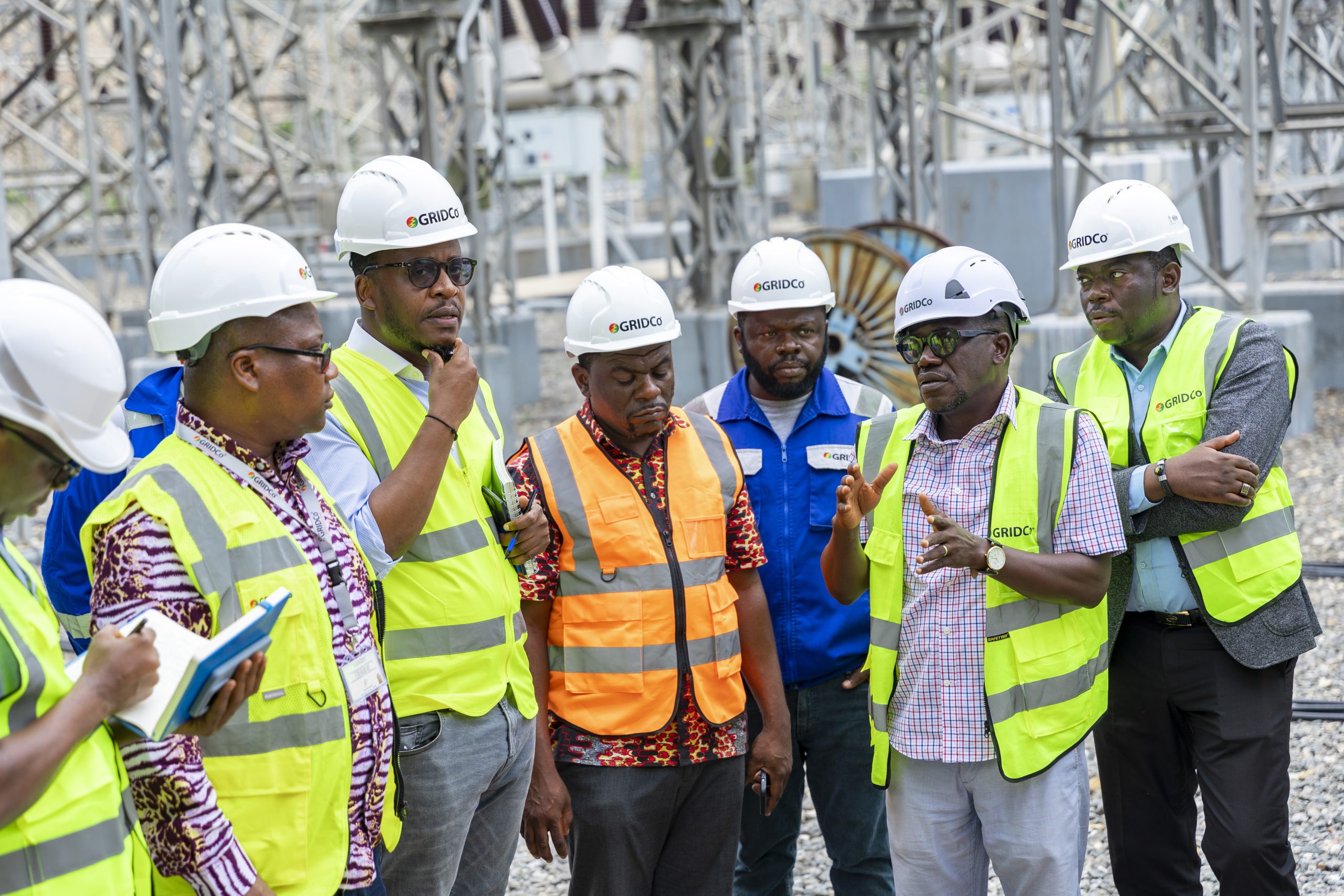
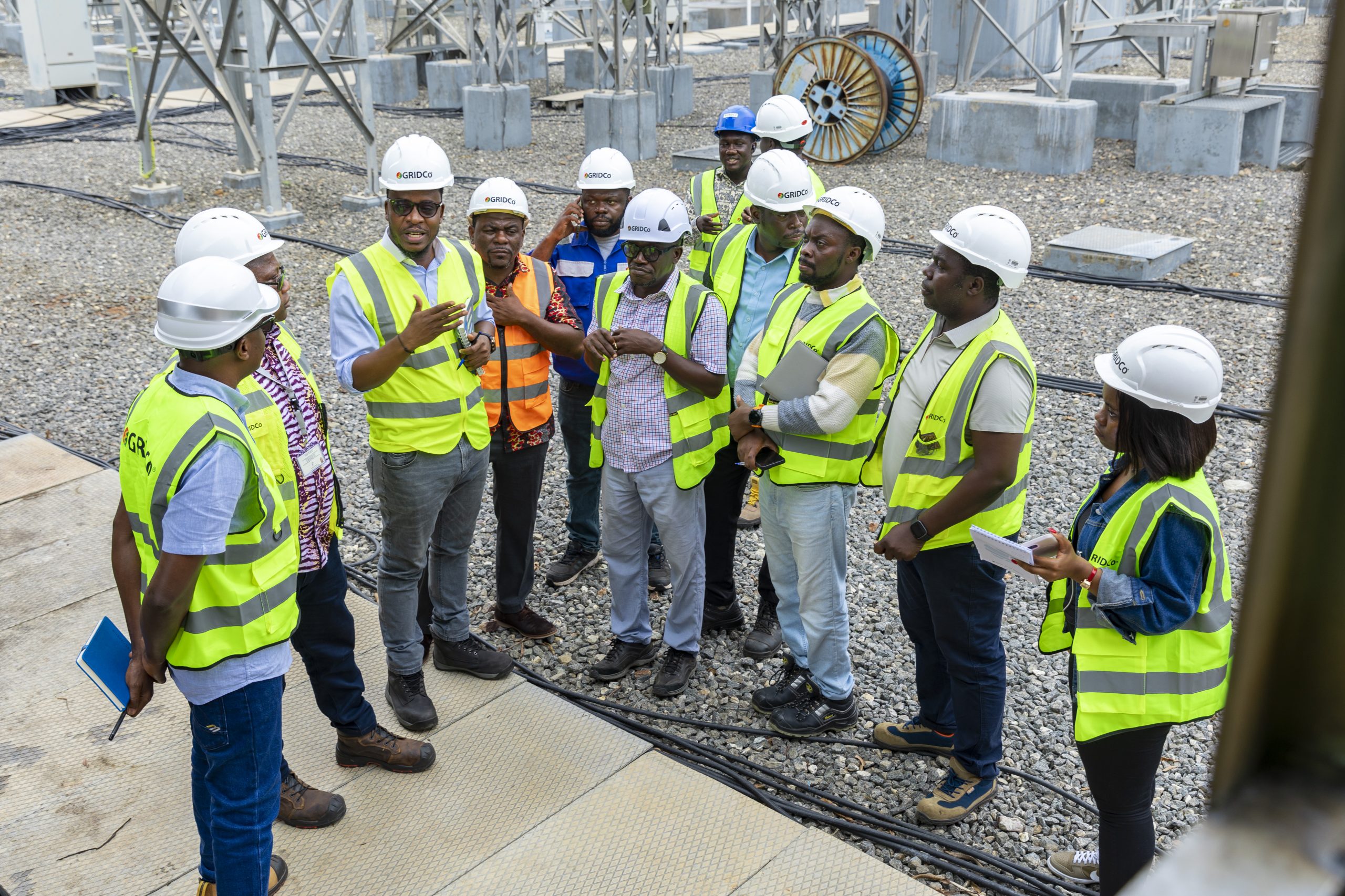
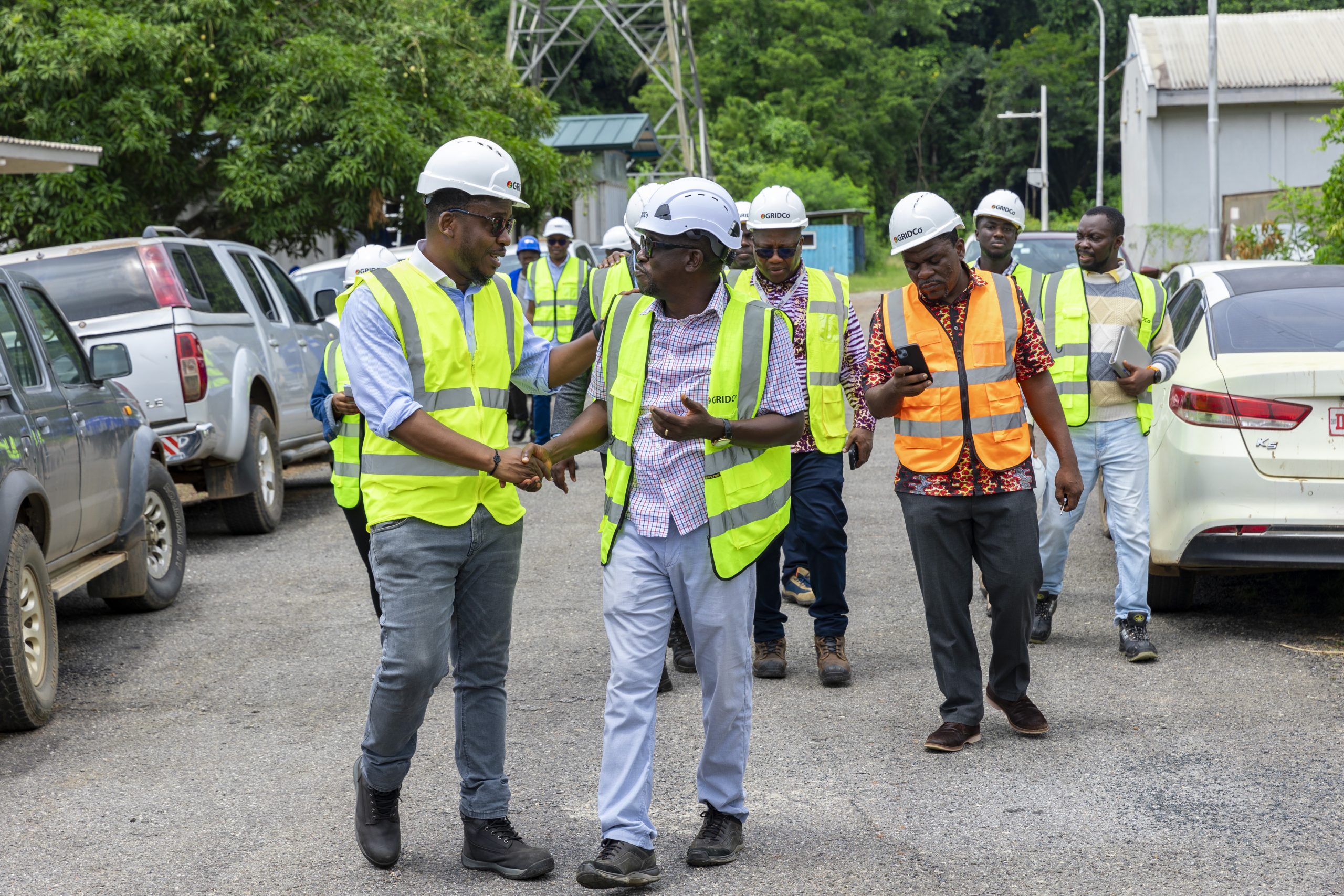
In a clear demonstration of its commitment to national energy security, the Monitoring Team from the Ministry of Energy and Green Transition, led by Ing. Eric Koduah, Deputy Director of Power, recently visited the Akosombo Substation to assess progress on the ongoing rehabilitation works.
The visit followed the recent incident at the substation and formed part of efforts to ensure that the restoration works remain on track for completion by the September deadline.
The Ministry’s team was warmly received by Ing. Joe Aziaku, Akosombo Area Manager, representing the Director, Southern Network. Also present to welcome the delegation were Manager Project Monitoring, Ing. Edward Erskine, along with other GRIDCo staff from the Akosombo Area. This collaborative engagement highlighted the shared urgency and importance of restoring full operational capacity to the substation.
During their detailed inspection, the Ministry’s delegation identified several key areas requiring attention and offered valuable recommendations, namely:
Fire Protection Concerns: Given the recent fire incident, the importance of early detection was emphasised. The monitoring team suggested that GRIDCo investigate and utilise a particular type of fire-retardant glass for the container’s front sections, further enhancing its safety features.
Health and Safety in Operations: The delegation also highlighted issues concerning air quality in certain operational areas. It was stressed that improved ventilation for works being carried out in Phase 1, ensure the installation of new ventilators or maintaining open doors to ensure a safer working environment.
Non-Operational Fire Hydrants: All efforts must be made to make the existing fire hydrant system operational. While new pipes are being laid to address this, the functionality of fire suppression infrastructure remains a high priority.
The rehabilitation project at Akosombo is being meticulously rolled out in three distinct phases, each designed to systematically address the damage and enhance the substation’s long-term resilience:
Phase One (161kV): Immediate Power Restoration
This critical initial phase was executed with remarkable speed and efficiency, achieving immediate power restoration within a week of the incident. This swift action underscored GRIDCo’s commitment to minimising disruption and maintaining energy supply.
Phase Two: Installation of a Temporary, Containerised Control System
The project is currently in Phase Two, which involves the installation of a temporary, containerised control system. This innovative solution was specifically devised as an interim measure, following the fire incident.
A specially prepared 40-foot container has been transported and extended to accommodate essential control panels, rectifiers, and battery sections. Although temporary, the container is being designed with strong attention to safety and durability. Cement boards are being used instead of wood.
This temporary structure is expected to serve for up to two years. Cable routing is being managed with extreme precision, utilising underground channels to prevent entanglement and reduce fire risks, with three distinct cable groups planned to maintain separation and improve overall safety.
Phase Three: Future Permanent Reconstruction
Phase Three will involve the full and permanent reconstruction of the original control configuration. This extensive undertaking aims to restore the control room to an even higher standard of reliability and security. Although this phase has not yet commenced, both the Ministry and GRIDCo have reaffirmed their commitment to providing full support to ensure its successful implementation.
Recognising potential challenges, particularly regarding resource availability, the Ministry proactively offered to facilitate resource sharing. This initiative aims to help GRIDCo access critical equipment and overcome any procurement or logistical hurdles that might impede the project’s timeline. The Ministry’s willingness to leverage its broader reach underscores a collaborative approach to ensuring the project’s success.
The Ministry reiterated its commitment to robust oversight and support for critical national projects. They stressed the importance of enhanced accountability mechanisms, specifically requiring weekly reports from GRIDCo to provide concrete updates on progress.
The delegation lauded the GRIDCo team’s efforts, acknowledging the visible progress made under challenging circumstances. Their visit concluded with a strong emphasis on the ongoing importance of collaboration between the Ministry and GRIDCo, and the urgent need to complete this critical national project. The dedication and hard work of all personnel involved at the Akosombo substation are vital in strengthening Ghana’s energy infrastructure and ensuring a reliable power supply for the nation.