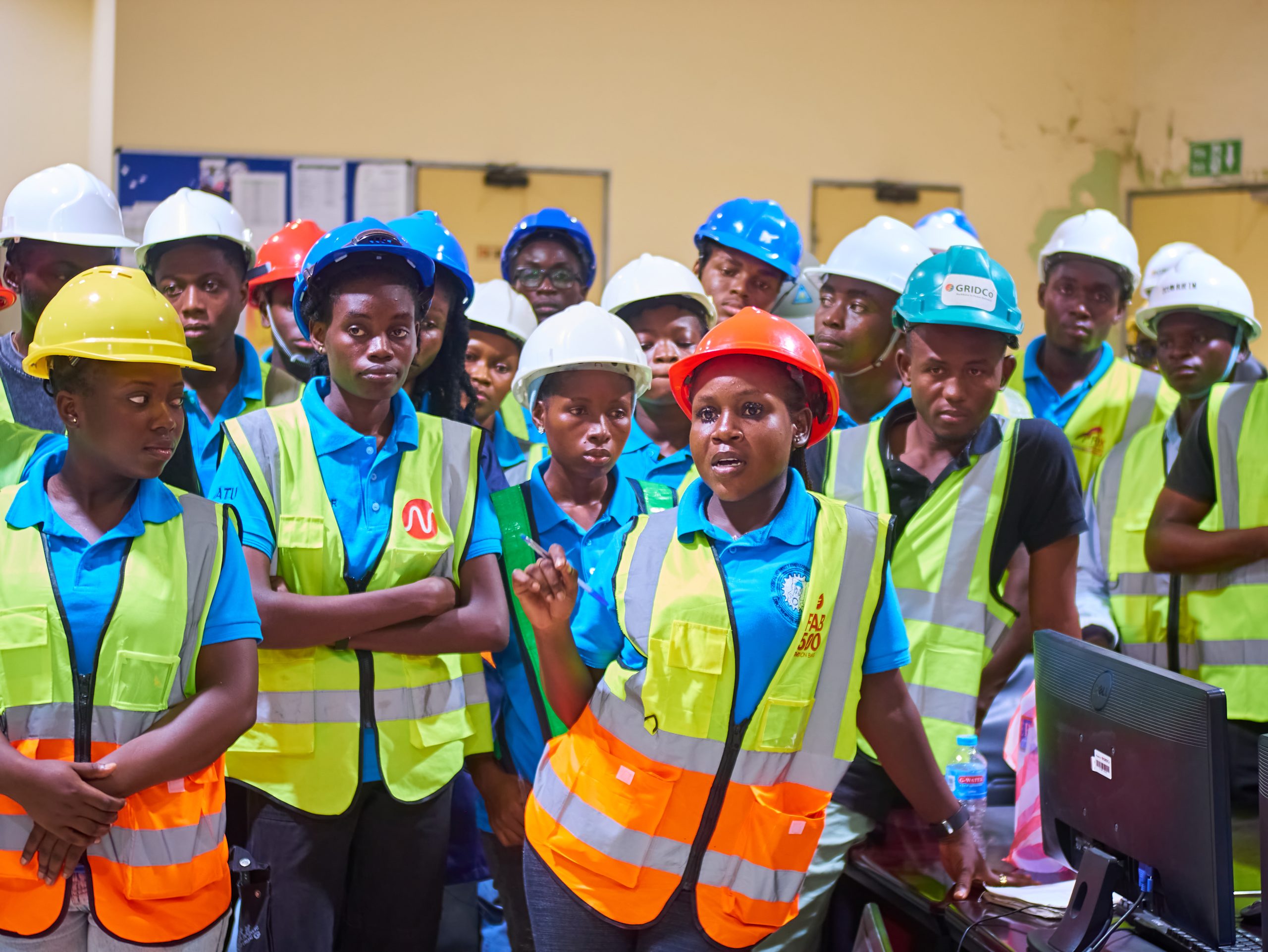
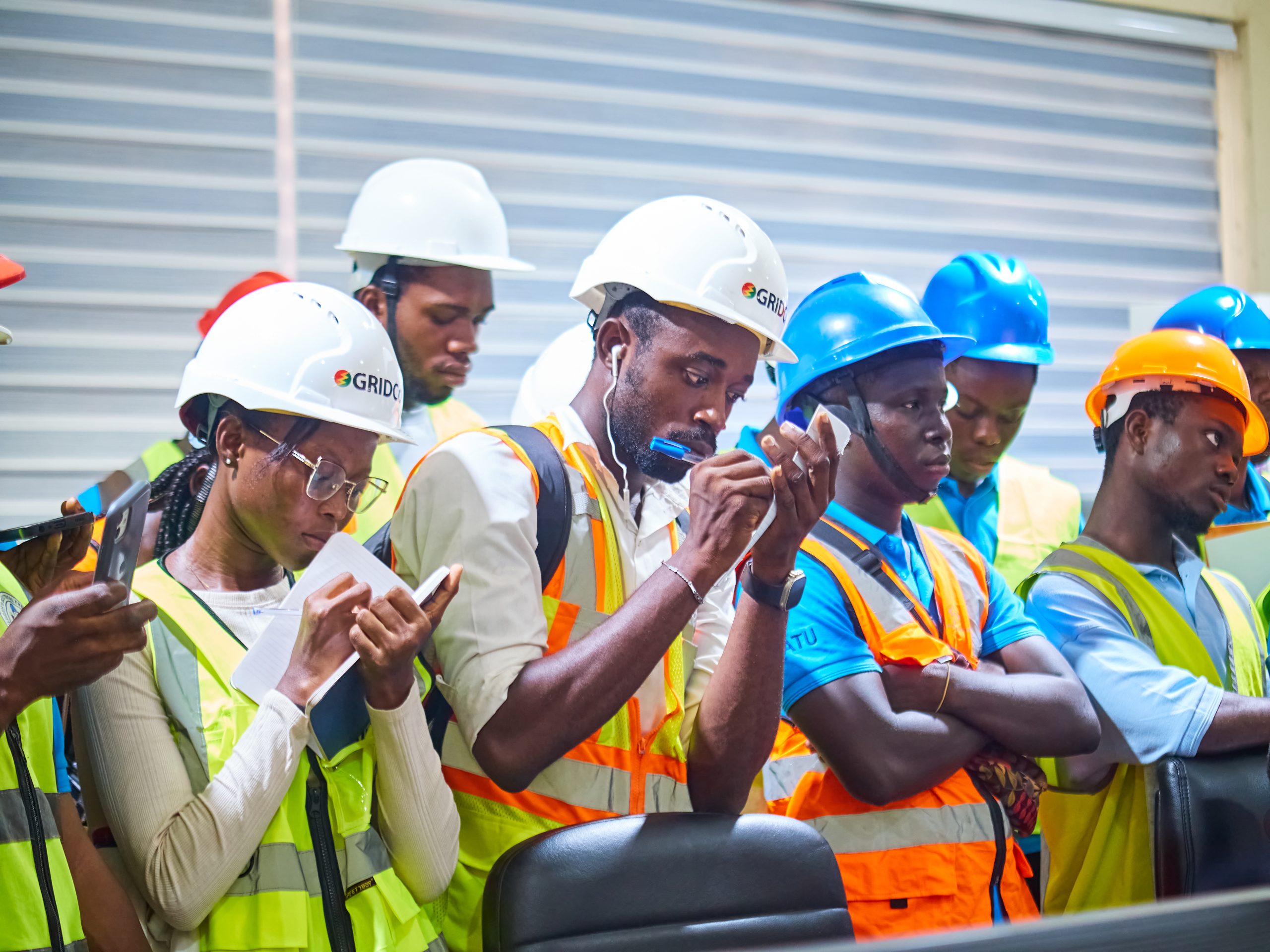
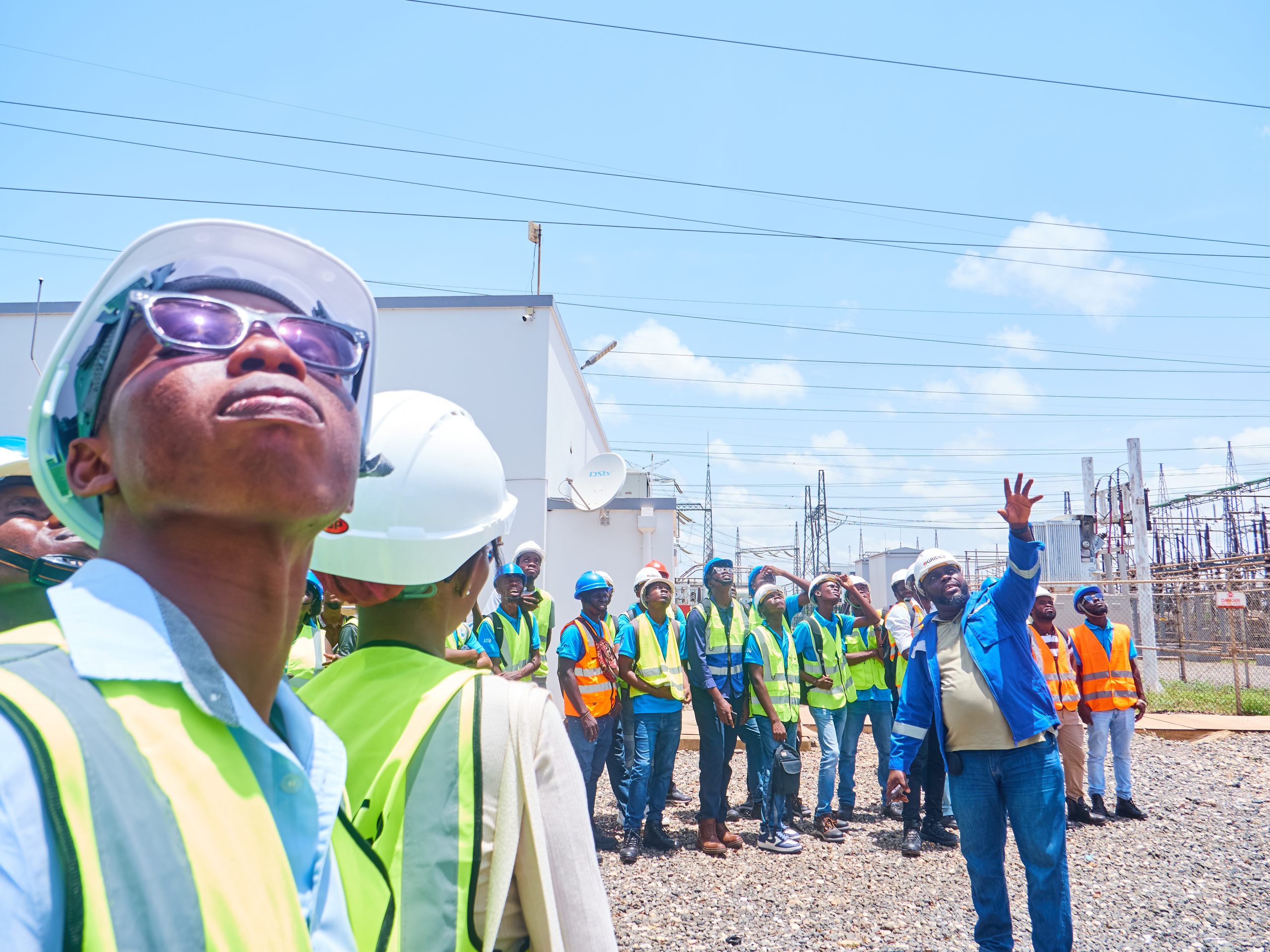
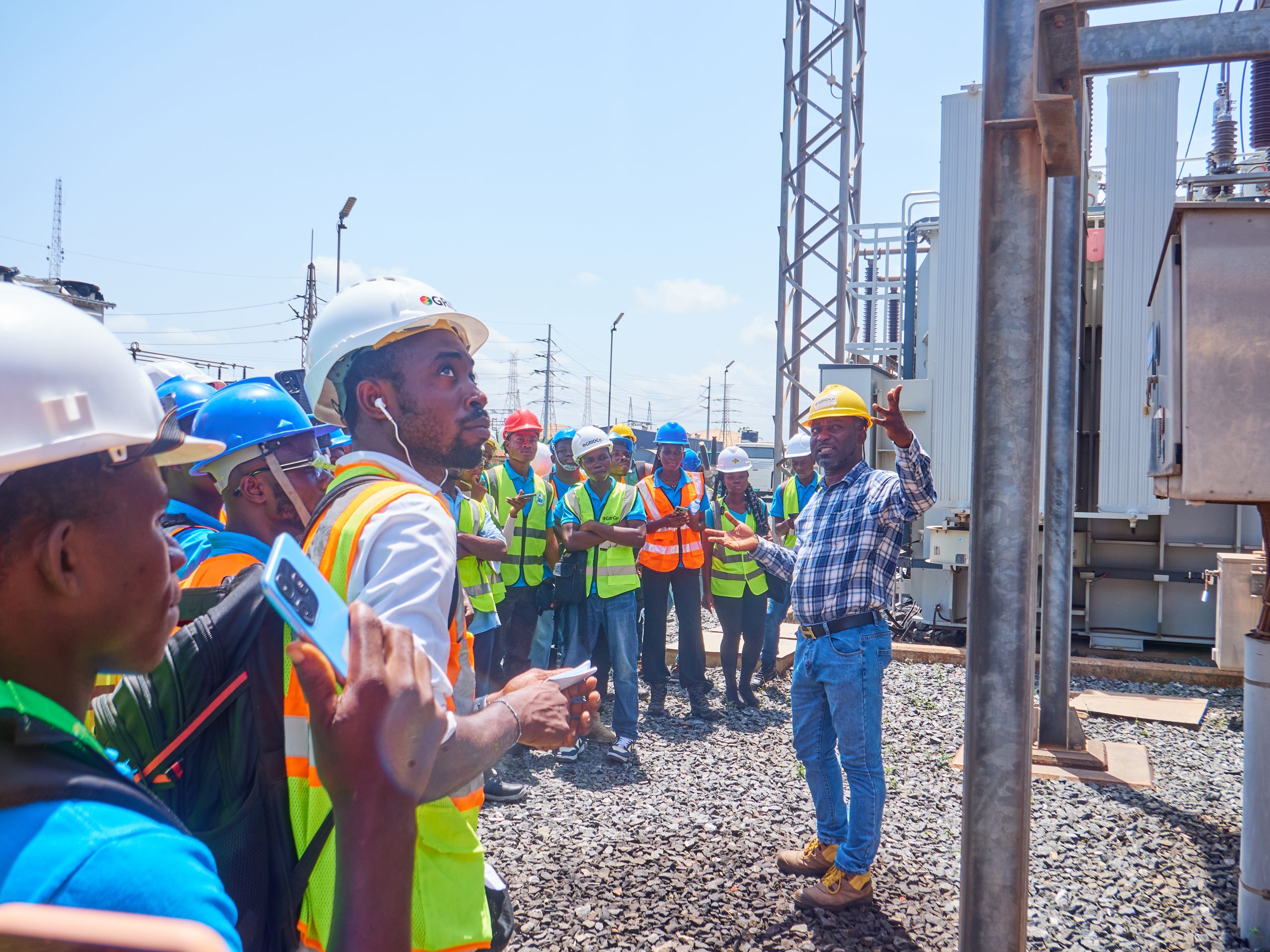
GRIDCo hosted 135 Electrical Engineering students from Accra Technical University (ATU) on April 17 for an educational visit to the Volta Substation and Smelter 2, aimed at familiarising students with Ghana’s electricity transmission operations.
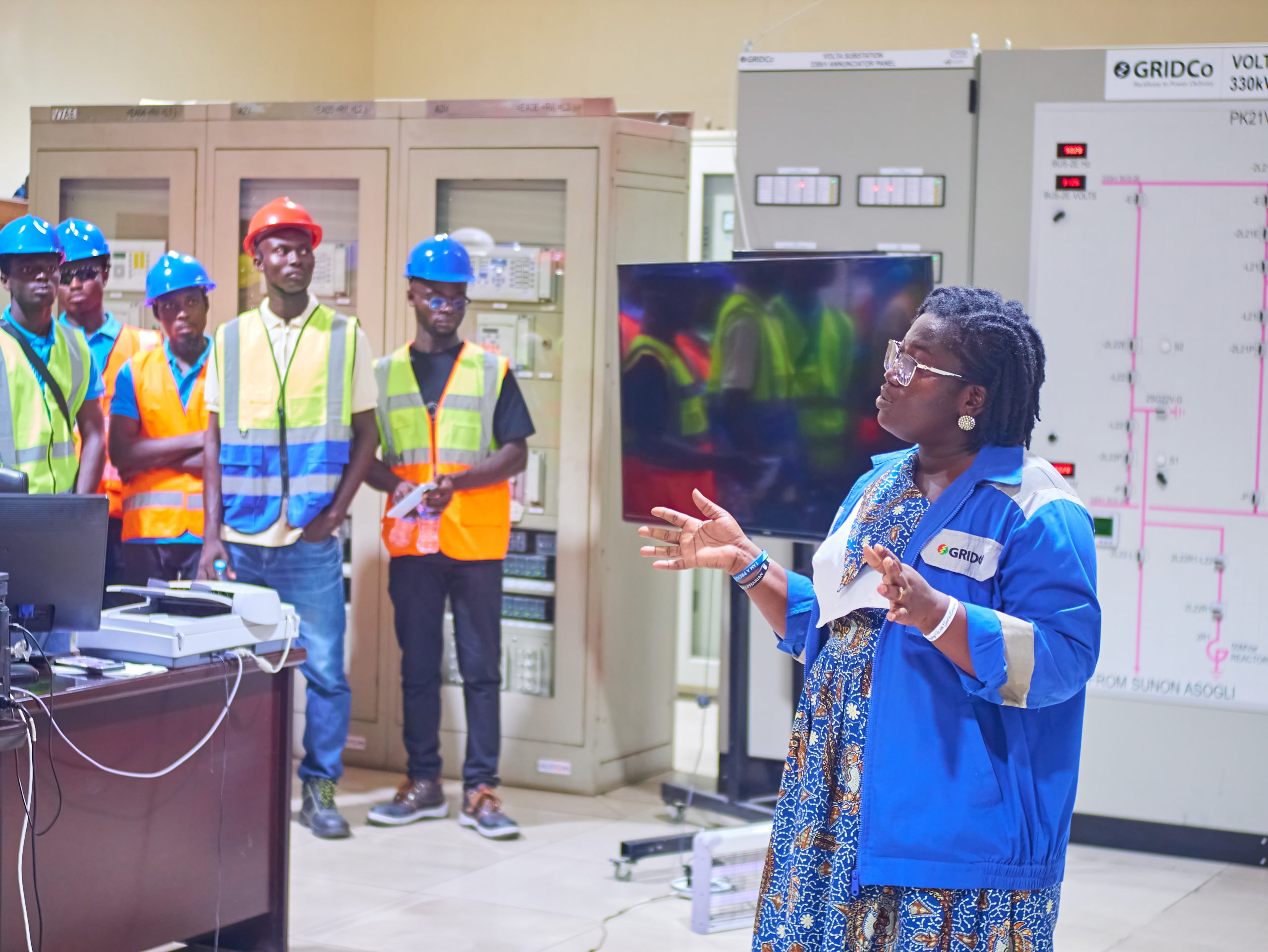
The visit, led by Ing. Aaron Tetteh and supporting engineers, offered students a first-hand understanding of how electrical power generated from hydro and thermal plants is transmitted across the national grid. At the Volta Substation, students were taken through core transmission infrastructure, including power transformers, instrument transformers, protection systems, and control panels that ensure efficient power transfer, system stability, and operational safety. During the engagement, a student, Daniel asked, “Why does GRIDCo transmit power at very high voltages such as 330 kV and 161 kV instead of sending electricity directly at distribution levels?” This prompted detailed explanations from the Operators on how high-voltage transmission minimises losses over long distances before power is stepped down to distribution voltages for ECG and other bulk customers.
Discussions also covered system protection schemes, battery-backed DC supplies, SCADA-based remote monitoring, lightning protection, and fibre-optic communication integrated into overhead transmission lines.
Safety and asset protection remained a core focus throughout the engagement. Ing. Naomi Amoah highlighted the importance of comprehensive earthing systems, explaining how grounding of all metallic structures mitigates risks associated with high electric and magnetic fields in substation environments.
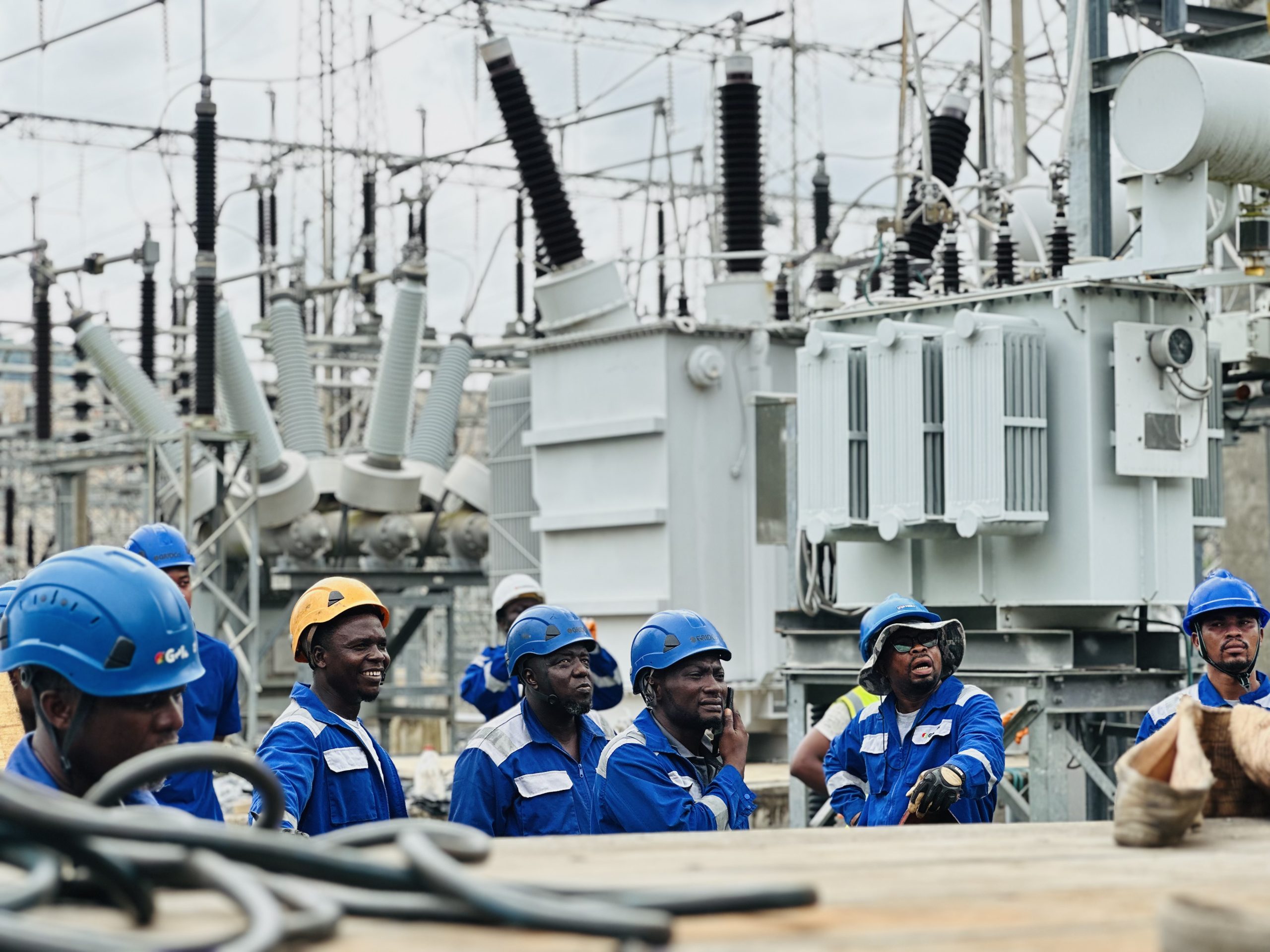
At the Smelter II Substation, Ing. Jerry Ahadzi provided a practical safety-focused session within the high-voltage yard. Students were introduced to grounding mats, gravel surfacing, and bonding systems designed to control fault currents and step potentials. He also explained the functions of key equipment such as, circuit breakers, disconnectors, and capacitors, using practical examples to reinforce safe working principles.
The session concluded with demonstrations on safe movement, proper tool handling, and the critical requirement to confirm equipment status as “dead, dead, dead” before commencing work. Students also gained knowledge on correct stepping techniques to minimise exposure during ground fault conditions.
The students responded positively to the tour, describing it as insightful and relevant to their academic training. Many indicated that the experience strengthened their interest in power transmission and motivated them to consider GRIDCo as a potential employer in the future.
The engagement reflects GRIDCo’s commitment to capacity building and industry-academia collaboration, helping to prepare the next generation of engineers with practical knowledge, safety awareness, and an appreciation for the operational discipline required to manage a reliable national transmission system.